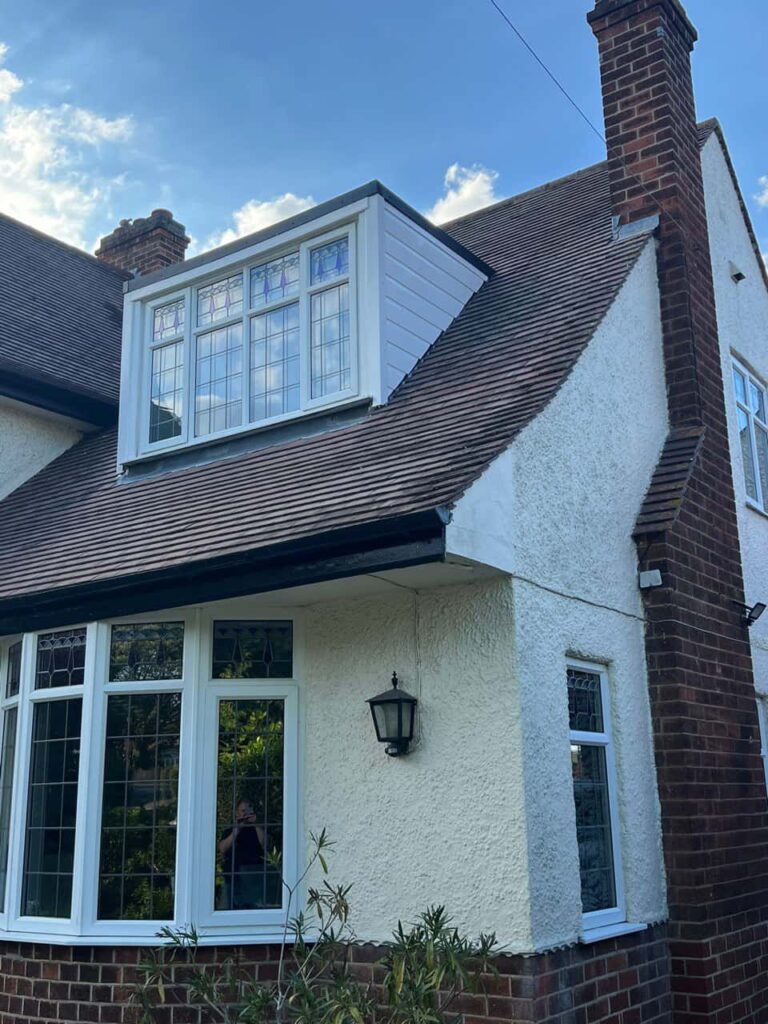
Finding a roof tile on the ground outside your home can be an unsettling discovery, particularly when the roof appeared perfectly normal beforehand. A fallen tile is often the first visible indication that something has changed at roof level, and although the problem may be limited to a single tile, it should not automatically be treated as an isolated incident.
For homeowners in Amersham, Buckinghamshire, arranging a professional roof inspection after discovering a fallen tile can help establish why it became dislodged, whether the surrounding roof remains secure and what repair work is required.
Why Would a Roof Tile Suddenly Fall?
Roof tiles are designed to remain securely positioned while protecting the structure beneath from the weather. If one reaches the ground, there will usually be an underlying reason.
Possible causes include:
- Strong winds affecting a weakened tile
- Deteriorated or failed fixings
- Cracking or breakage
- Movement within the surrounding roof covering
- Age-related deterioration
- Previous damage that has gradually worsened
Understanding the cause matters because simply replacing the missing tile may not resolve a wider problem.
The Missing Tile Leaves a Vulnerable Area
Tiles form an overlapping covering designed to direct rainwater down the roof.
When one becomes displaced or falls completely away, the arrangement of the surrounding roof covering is disrupted. Depending on the roof construction and position of the missing tile, materials beneath may become more exposed to wind-driven rain and continuing weather.
Even when there is no immediate leak inside the property, the affected area should be assessed promptly.
One Fallen Tile Can Indicate Problems With Nearby Tiles
A particularly important question is whether the tile became loose independently or whether surrounding tiles are also beginning to move.
If weathering, ageing fixings or movement contributed to the problem, neighbouring tiles may require attention as well.
A professional roofer can inspect the surrounding section for:
- Loose tiles
- Cracked tiles
- Damaged fixings
- Unusual movement
- Gaps in the covering
- Other signs of deterioration
This is considerably more useful than concentrating solely on the space left by the fallen tile.
Strong Wind May Expose an Existing Weakness
A tile found after windy weather may appear to have been damaged entirely by the conditions. In reality, strong wind can sometimes expose a weakness that was already developing.
A tile that was securely fixed and in sound condition may respond differently from one that was already cracked, loose or poorly supported.
This is why post-weather repairs should include an assessment of the affected section rather than assuming the problem begins and ends with the fallen tile.
Broken Tiles Can Suggest Gradual Deterioration
If the tile has broken into pieces, its condition may provide clues about what happened.
Roofing materials experience years of exposure to rainfall, temperature changes and general weathering. Over time, some tiles can become more vulnerable to cracking and damage.
Where one tile has deteriorated, it is sensible to check whether similar signs are developing elsewhere across the roof.
Could Water Already Be Getting Into the Roof?
Not necessarily, but it is possible.
A missing tile does not always create an immediately visible internal leak. Roofing systems contain several layers, and water entering beneath the outer covering may not appear on a ceiling straight away.
Moisture can sometimes travel along underlay, battens or other components before becoming noticeable inside the property.
Waiting for an internal damp patch before arranging an inspection can therefore allow an external defect to remain unresolved unnecessarily.
Why the Underlay Should Not Be Relied Upon Indefinitely
Where underlay remains intact beneath a missing tile, it may provide a degree of secondary protection. However, it is not intended to replace the primary roof covering.
Once an area becomes directly exposed, continued wind and rainfall can place greater demands on materials that would normally sit beneath securely positioned tiles.
Restoring the external roof covering promptly helps return the roofing system to the way it was designed to function.
Can a Single Roof Tile Be Replaced?
In many cases, yes.
If the damage is genuinely isolated and the surrounding roof remains in suitable condition, a professional roofer may be able to remove any damaged material and install an appropriate replacement tile without disturbing a large section of the roof.
However, the important part is establishing that the defect really is isolated.
If several tiles are loose, the surrounding materials have deteriorated or another roofing defect contributed to the movement, additional work may be required.
Avoid Trying to Refit the Tile Yourself
Finding the fallen tile does not mean it should simply be put back into position.
Roof tiles need to sit correctly within the surrounding covering and, depending on the roof, may rely on particular fixing arrangements. More importantly, accessing a roof without suitable equipment and experience introduces unnecessary risk.
Professional roofers can inspect the affected area closely and complete the required repair without relying on guesswork from ground level.
Look for Other Warning Signs
After finding a tile on the ground, homeowners can remain alert for other visible changes without attempting to access the roof themselves.
Signs that may justify prompt professional attention include:
- A visible gap in the roof covering
- Other tiles appearing displaced
- Pieces of roofing material around the property
- New water marks indoors
- Dampness within the loft
- Changes around ridge or hip areas
Multiple symptoms can indicate that the roof requires a broader inspection.
Early Repairs Can Prevent the Defect Spreading
A missing tile is often a relatively localised roofing problem when dealt with promptly.
If left unresolved, however, continued exposure may affect neighbouring materials or allow additional tiles to become vulnerable. What begins as one displaced component can therefore become a more extensive roofing issue.
Timely repair is valuable because it aims to restore protection before secondary deterioration has an opportunity to develop.
Professional Inspection Identifies the Real Cause
Good roof repair involves more than filling the visible gap.
An experienced roofer will consider why the tile failed and whether anything else requires attention. This may involve examining the condition of:
- Adjacent tiles
- Fixings
- Battens
- Underlay
- Ridge or hip details where relevant
- The wider affected section
Addressing the underlying cause provides a much more dependable result than simply treating the most obvious symptom.
Why Choose LS Roofing Amersham?
At LS Roofing Amersham, we provide professional roof inspections and roof repairs throughout Amersham, Buckinghamshire. When a tile has fallen or become displaced, we can assess the affected section, identify the likely cause and determine whether the problem is isolated or connected to wider roof deterioration.
Our approach focuses on appropriate, lasting repairs rather than unnecessary work, helping homeowners restore the weather resistance and reliability of their roofing system.
Conclusion
Finding a roof tile on the ground is a clear sign that your roof deserves attention. The cause may be as straightforward as an isolated damaged tile, but it could also indicate deteriorated fixings, surrounding movement or wider ageing within the roof covering.
Because a missing tile can leave underlying materials more exposed to the weather, waiting until an internal leak develops is rarely the best approach. An early professional inspection can identify the cause and establish exactly what needs repairing.
If you have discovered a fallen or broken roof tile at your property in Amersham, Buckinghamshire, LS Roofing Amersham can inspect the affected area and carry out the appropriate roofing work to restore dependable protection.
Call us on: 01494 302 495
Click here to find out more about LS Roofing Amersham
Click here to complete our contact form and see how we can help with your roofing needs.