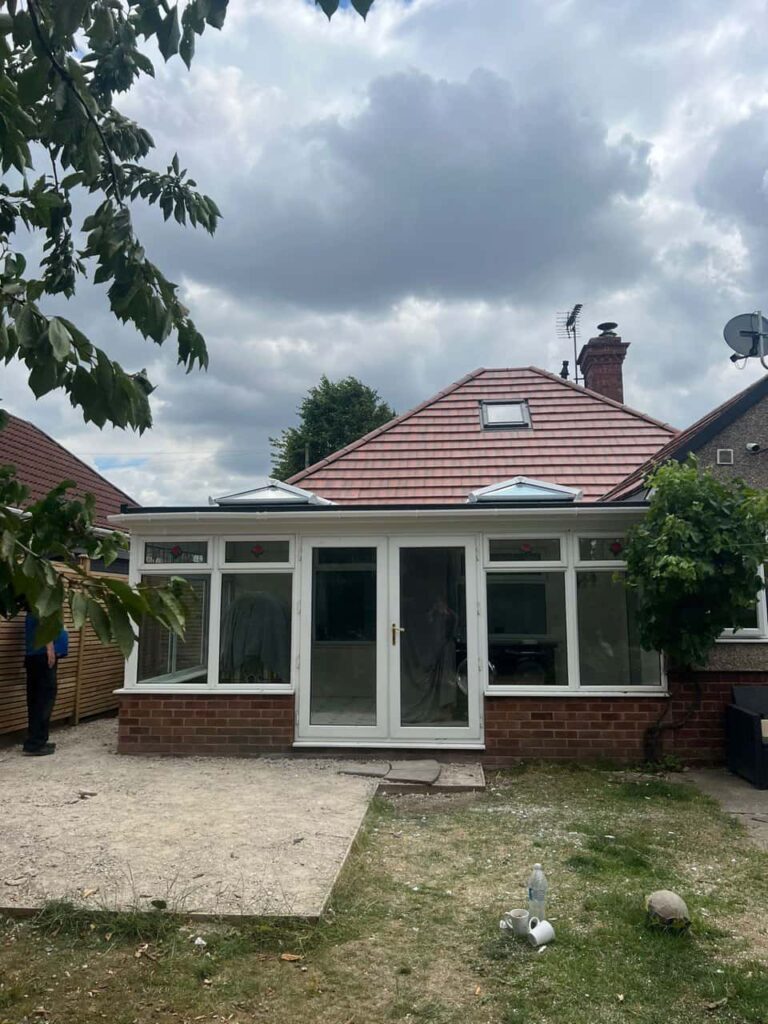
Lead flashing is one of the most important protective elements of a roof. It is designed to create a watertight seal around vulnerable areas such as chimneys, roof valleys, dormers and wall junctions. When correctly installed, it provides long-lasting protection against water ingress.
However, like all roofing components, lead flashing can deteriorate over time. For property owners in Amersham, Buckinghamshire, understanding why flashing cracks or splits is essential for preventing leaks and avoiding wider roof damage.
Natural Expansion and Contraction
Lead is a durable and flexible material, but it naturally expands and contracts with changes in temperature. Over many years, repeated thermal movement can cause stress within the metal.
If the flashing was installed without sufficient allowance for movement, this constant expansion and contraction may eventually result in splits forming along folds or joints.
In Amersham, Buckinghamshire, where roofs experience seasonal temperature shifts, proper installation detailing is critical to reduce this risk.
Incorrect Installation
One of the most common causes of cracked flashing is poor installation. Lead sheets must be laid in appropriate lengths and fixed correctly to accommodate movement.
If sheets are installed too tightly, are oversized without correct jointing, or are poorly supported, stress points can develop. Over time, these weaknesses can lead to visible cracking or splitting, particularly around upstands and step flashing.
Professional installation ensures correct sizing, correct joint spacing and secure but flexible fixing methods.
Age-Related Fatigue
Even high-quality lead flashing will eventually show signs of age. Decades of exposure to wind, rain and temperature changes can gradually weaken the metal.
Older flashing may become thinner in places due to natural wear, making it more vulnerable to cracking. In some cases, surface corrosion or fatigue lines appear before full splits develop.
Regular roof inspections help identify early signs of deterioration before water penetration occurs.
Structural Movement
Buildings naturally settle over time. Small shifts in brickwork, chimney stacks or roof timbers can place stress on flashing.
If the surrounding masonry moves even slightly, the lead may be stretched or pulled beyond its capacity. This is particularly common around chimney abutments where both the roof structure and brickwork are subject to movement.
In properties across Amersham, Buckinghamshire, early detection of movement-related stress can prevent more significant flashing failure.
Weather Exposure and Storm Damage
Severe weather can accelerate flashing damage. High winds may lift or flex sections of flashing, while heavy rain can exploit minor weaknesses.
Repeated exposure to extreme conditions increases the likelihood of cracks forming, particularly if the flashing is already ageing or poorly secured.
After storms, it is advisable to have vulnerable roof areas inspected to ensure flashing remains intact and watertight.
Mechanical Damage
Flashing can also be damaged accidentally during other roofing work or maintenance activities. Walking directly on lead or placing weight on unsupported sections can cause creasing and stress fractures.
Over time, these weakened areas may develop into full splits.
Careful handling during any roof maintenance is essential to preserve the integrity of flashing details.
Why Prompt Repairs Matter
Cracked or split flashing may seem minor at first, but it often leads to water ingress around chimneys, roof junctions or valleys. Because flashing protects transition points between materials, failure in these areas can allow moisture to travel behind tiles or into roof timbers unnoticed.
Addressing flashing damage promptly helps to:
- Prevent internal damp patches
- Protect roof structure and insulation
- Maintain the overall integrity of the roofing system
- Avoid progressive masonry deterioration around chimneys
A professional assessment ensures that both the visible damage and the underlying cause are identified correctly.
Professional Flashing Assessment in Amersham
At LS Roofing Amersham, we understand the importance of properly installed and maintained flashing. When inspecting roofs in Amersham, Buckinghamshire, we carefully examine all junctions, chimney details and abutments to identify early signs of fatigue or movement-related stress.
Our approach focuses on long-term performance rather than short-term patchwork solutions. By addressing the root cause of flashing failure, we help ensure your roof remains secure and weather-resistant.
Conclusion
Lead flashing can crack or split due to thermal movement, poor installation, age-related fatigue, structural movement, storm exposure or accidental damage. While lead is a highly durable material, it relies on correct detailing and ongoing inspection to perform effectively.
If you have noticed signs of cracking, lifting or water ingress around flashing areas in Amersham, Buckinghamshire, arranging a professional inspection is the safest course of action. LS Roofing Amersham provides careful evaluation and dependable repair solutions to protect your roof and maintain its long-term reliability.
Call us on: 01494 302 495
Click here to find out more about LS Roofing Amersham
Click here to complete our contact form and see how we can help with your roofing needs.